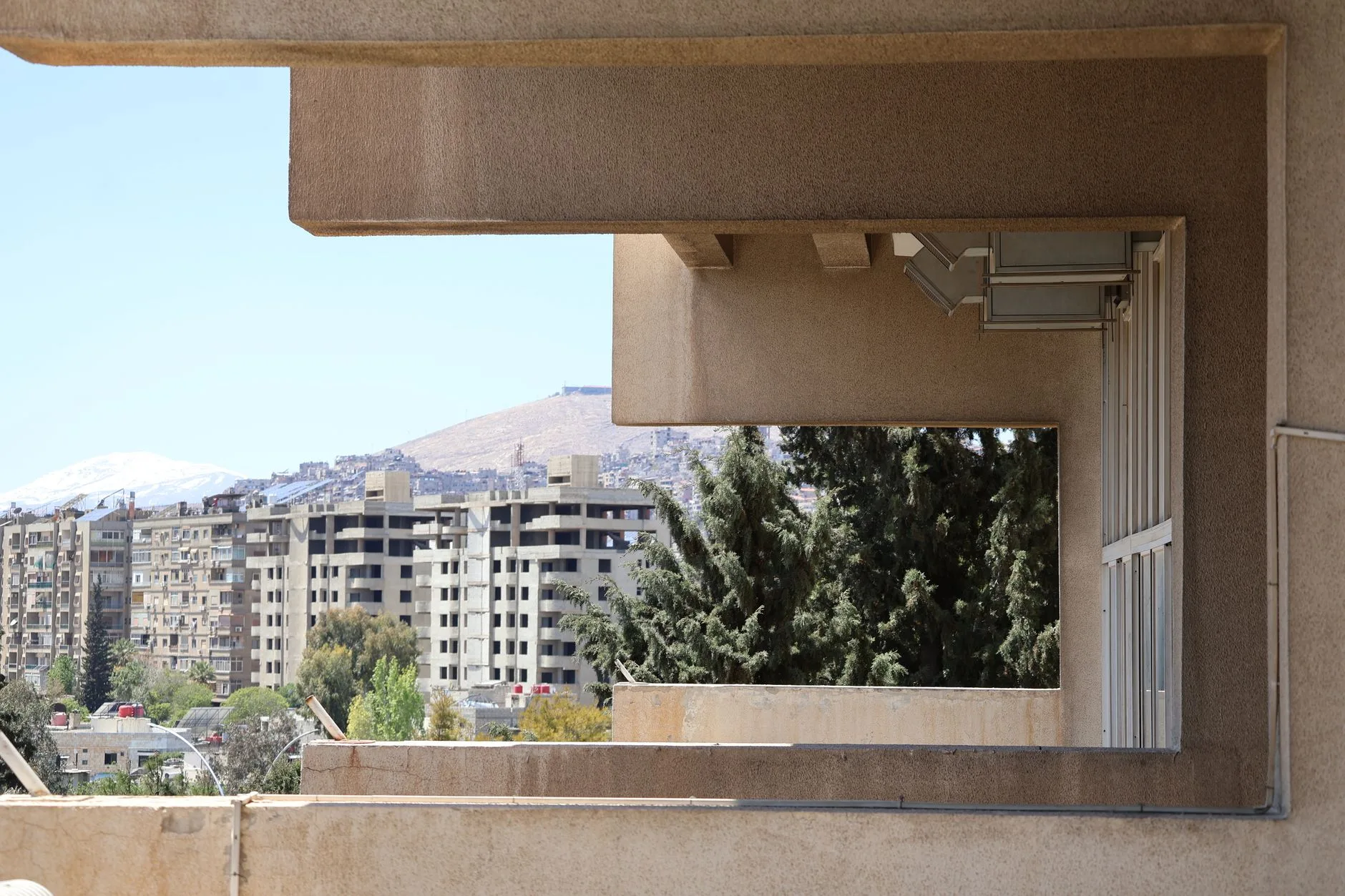
Hotel Groups Examine Syria
Several global and regional hotel groups are examining entry or expansion in Syria. Senior executives set out their plans in Reuters interviews published on 8 October 2026.
Syria’s civil war left cities and archaeological treasures in ruins. The war ended almost two years ago, and violence continues in parts of the country.
The United States removed Syria in August from its list of state sponsors of terrorism. The State Department advises US citizens against travel there.
Accor in Advanced Talks on Two Projects
Accor is in advanced negotiations for two projects in Syria. Duncan O’Rourke, the company’s chief executive for the Middle East, Africa and Asia-Pacific, gave that figure to Reuters.
Wyndham and Minor Hotels Read the Market
Wyndham Hotels & Resorts is scouting in Damascus and at beach destinations. “Very soon, I’m confident that we’re going to announce our first signing in Syria,” Dimitris Manikis, Wyndham’s president for Europe, the Middle East and Africa, told Reuters.
Minor Hotels’ chief operating officer for the Middle East and Africa, Amir Golbarg, said some buildings in old Damascus could convert to boutique hotels. Other projects could be built from scratch.
Golbarg described the existing hotel inventory as very tired. “The challenge with the market, it’s been basically off the grid for many years,” he said.
He also pointed to the country’s history and its position at a crossroads. “For me it’s one of the countries that really has major potential,” Golbarg said.
A handful of traditional homes in the capital have operated as local boutique hotels for decades.
Eagle Hills Signs a Framework for Two Schemes
Eagle Hills signed a framework deal with Syria on Monday. The UAE developer is planning a 10 million square metre development in Damascus and a 4.3 million square metre project in coastal Latakia. The company did not disclose financial details.
Mohamed Alabbar is Eagle Hills’ founder and chairman. He said Emaar could also take part in the two projects. Alabbar chairs Emaar, the developer of Dubai’s Burj Khalifa, and Emaar is working on a separate Damascus development.
Alabbar said many Syrians who live abroad want to return. “Tourists will always be there because this is the oldest city in the world,” he said of Damascus.
UAE developer Arada has said it plans to enter the country with a $7 billion project.
Arrivals Doubled to 3.52 Million
Syrian state news agency SANA cited government data on tourist numbers. Arrivals in the first half of 2026 reached 3.52 million, against 1.67 million a year earlier.
Of that total, 2.13 million were Syrian expatriates. Around 660,000 came from Arab countries. About 720,000 came from other countries.
International flights and tourists began to return in 2025.
Payment Cards and Air Links
Visa and Mastercard said last month that they were launching operations in Syria. Electronic payments are limited to certain cards issued by foreign banks. Those cards work at specific locations.
Flights from Gulf hubs connect Syria with the region. Qatar Airways and flydubai operate services. Etihad Airways said on Wednesday that it would run a daily service to Damascus, rising from four flights a week to seven. Etihad’s chief executive, Antonoaldo Neves, said last month that the airline could add more destinations depending on local support and customer appetite.
Syria’s president, Ahmed al-Sharaa, has worked to improve ties with the West and to attract billions in reconstruction funds, including from Gulf countries.
Rebuilding Costs at $216 Billion
The World Bank said last year that its conservative best estimate for reconstruction costs in Syria stood at $216 billion. Residential buildings account for $75 billion of that figure. Non-residential structures account for $59 billion.
The country faces the task of rebuilding or updating its infrastructure, including its hotels. Some local communities in the suburbs have protested against some of the mega-projects announced by the government.